Saudi Arabia Digital Health Market Size to Hit USD 15.3 Billion by 2033 | CAGR of 13.20%
Industry Overview
The Saudi Arabia digital health market encompasses a wide array of technologies and services leveraging information and communication technologies (ICT) to enhance health and well-being. This includes telemedicine, mobile health (mHealth), electronic health records (EHR), healthcare analytics, and other digital health systems. Historically characterized by a traditional healthcare delivery model, the Kingdom has rapidly embraced digital solutions, a transition significantly accelerated by the COVID-19 pandemic, which underscored the critical need for remote and resilient healthcare alternatives.
The Ministry of Health (MOH) has been instrumental in this digital push, launching and continually upgrading various national applications like “Sehhaty,” “Mawid,” and “Tawakkalna.” These platforms not only facilitate appointment scheduling and virtual consultations but also gather crucial population health data for strategic planning and public health initiatives. The nation’s young, tech-savvy population and high smartphone penetration rate provide fertile ground for the widespread adoption of digital health solutions.
Market Size & Growth
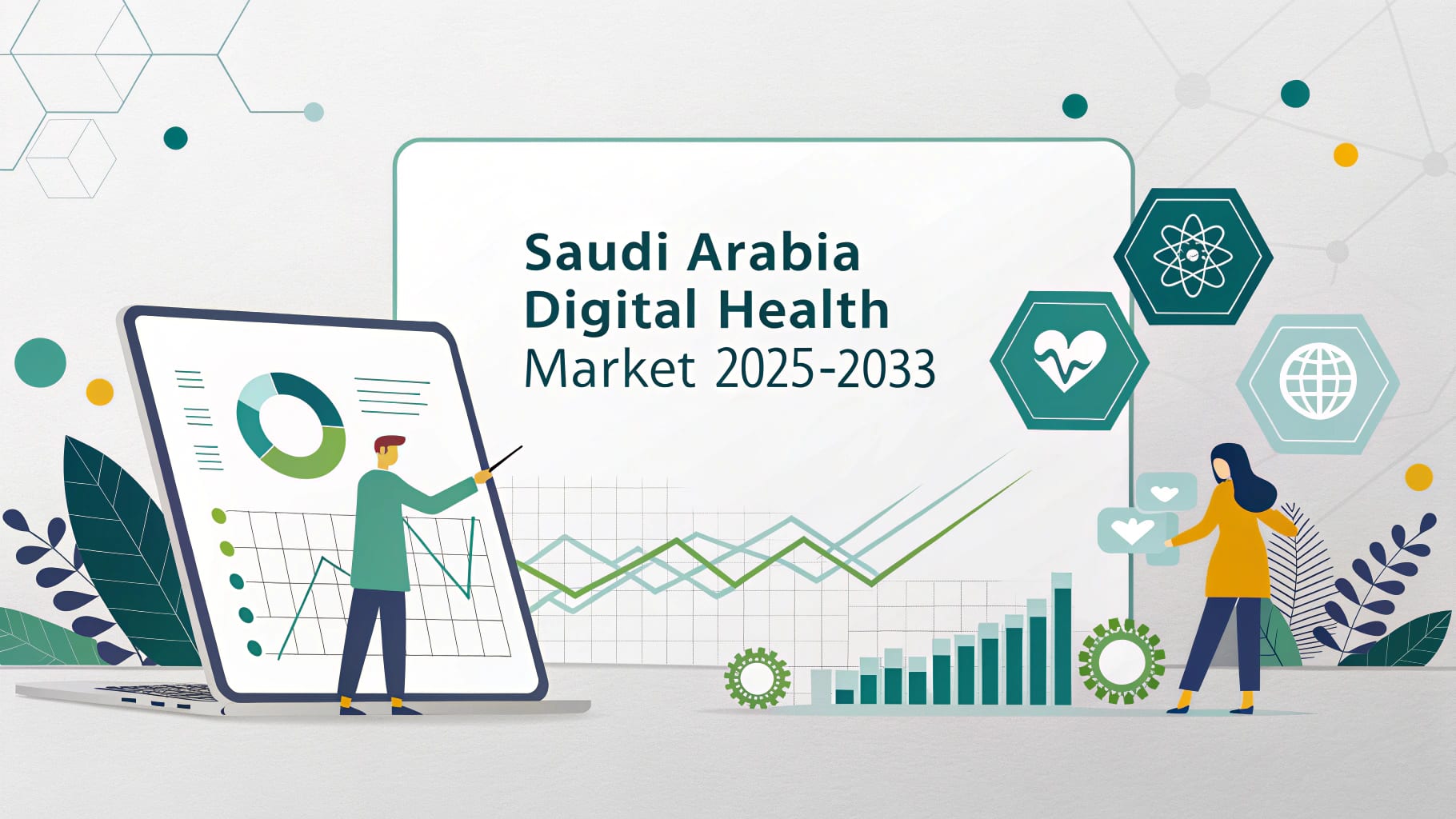
The Saudi Arabia digital health market is experiencing robust growth, reflecting the nation’s strong commitment to healthcare modernization. According to IMARC Group, the Saudi Arabia digital health market size reached USD 4.4 Billion in 2024. Looking forward, the market is expected to reach USD 15.3 Billion by 2033, exhibiting a compound annual growth rate (CAGR) of 13.20% during 2025-2033. This impressive growth trajectory highlights the immense potential and ongoing investment in the Kingdom’s digital health infrastructure.
Get Your Free “Saudi Arabia Digital Health Market” Sample PDF Report Now!
Key Trends in the Saudi Arabia Digital Health Market
Several key trends are defining the evolution of the digital health landscape in Saudi Arabia:
- Government Vision and Support (Vision 2030 Initiatives): The overarching Vision 2030 strongly encourages the adoption of digital health technologies. This strategic imperative focuses on developing healthcare infrastructure and broadening access to services through digital means. Policies are being formulated to facilitate the mass adoption of telemedicine, electronic health records, and health information systems, aiming to enhance the overall quality of healthcare. The government is also providing funding and regulatory incentives to foster innovation among health technology startups and encourage public-private partnerships.
- Rising Incidence of Chronic Disorders: The increasing prevalence of chronic diseases such as diabetes, cardiovascular disease, and obesity in Saudi Arabia is a significant driver for digital health solutions. These conditions necessitate remote monitoring, personalized care, and effective disease management. Digital health tools like mobile health apps, wearable devices, and telehealth platforms are being increasingly utilized by both patients and clinicians to monitor vital signs, manage medications, and enable timely interventions, thereby reducing the burden on hospitals and improving patient outcomes.
- Technological Advancements in Healthcare: Rapid advancements in digital technologies, including Artificial Intelligence (AI), Machine Learning (ML), and Big Data analytics, are a major catalyst for market growth. These innovations enable more precise diagnoses, customized treatment plans, and predictive analytics for disease prevention. AI-driven tools are being adopted across various healthcare procedures, from patient monitoring to clinical decision support and health record management. The leveraging of big data analytics is streamlining operational effectiveness, reducing costs, and enhancing the quality of patient care.
- Expansion of Government-Sponsored Health Apps: National applications like Sehhaty, Tawakkalna, and Mawid are continually being upgraded to offer a wider spectrum of health services, fostering greater digital engagement among the population.
- Increased Use of Wearables in Lifestyle Management: The adoption of wearable devices for fitness tracking and chronic condition monitoring is growing, particularly among the tech-savvy younger and middle-aged populations.
- Localization of Health Content: There’s a growing focus on developing Arabic-language health apps and culturally tailored telemedicine services to improve user engagement and accessibility for the local population.
- Cloud-Based EHR Adoption: Healthcare providers are increasingly migrating to cloud infrastructure for more efficient storage and management of digital patient records, emphasizing scalability, interoperability, and AI-driven analytics.
- Public-Private Collaboration: Partnerships between global digital health companies and Saudi public health institutions are fostering innovation and knowledge transfer, accelerating the pace of digital transformation.
Get Instant Access to the Full Report with a Special Discount!
Growth Drivers
Beyond the key trends, several factors are specifically fueling the robust growth of the Saudi Arabia digital health market:
- Government Initiatives and Regulatory Support: Vision 2030’s Health Sector Transformation Program is a primary driver, emphasizing digital integration, increased investment, and the adoption of advanced technologies. The development of a national digital health strategy aims to digitize all aspects of the healthcare system, including a national telemedicine program. The Saudi Food and Drug Authority (SFDA) is also developing regulations for digital health products and services.
- Rising Healthcare Expenditure and Investment: The Kingdom is significantly increasing its healthcare spending and actively encouraging private sector participation. Substantial investments are being channeled into digital health infrastructure, including electronic health records (EHRs), telemedicine, and AI-driven diagnostics.
- High Internet Penetration and Smartphone Adoption: Saudi Arabia boasts a high internet penetration rate and widespread smartphone usage, creating a conducive environment for the adoption of mobile health applications and telehealth services. This technological readiness facilitates easy access to digital health solutions for a large segment of the population.
- Demand for Convenient and Accessible Healthcare: There is a growing demand for convenient, accessible, and high-quality healthcare services, particularly in remote and underserved areas. Digital health solutions, especially telemedicine and remote patient monitoring, effectively address these geographical barriers and reduce wait times.
- Increasing Awareness of Personal Health Management: A shift towards patient-centric healthcare and a heightened awareness among individuals regarding personal health management are driving the adoption of digital tools that empower them to monitor their health, manage chronic conditions, and seek timely medical advice.
- Scarcity of Medical Providers in Certain Areas: Digital health technologies help bridge the gap in healthcare access in regions with a shortage of medical professionals, allowing patients to consult specialists remotely.
- Focus on Preventative Care: Digital health solutions support preventative medicine programs, public awareness campaigns, and early disease detection, which align with the Kingdom’s goal of improving population health outcomes and reducing healthcare costs.
AI Impact on Saudi Arabia Digital Health Market
Artificial Intelligence (AI) is set to revolutionize the Saudi Arabia digital health market, becoming a fundamental part of the healthcare industry rather than just a tool. The Kingdom is actively investing in AI and digital health initiatives as part of Vision 2030, aiming to diversify its economy and develop public service sectors.
- Predictive Analytics and Early Detection: AI’s ability to analyze massive datasets, including medical images, patient histories, and genomic data, is crucial for identifying patterns that aid in early disease detection and risk assessment. AI-powered algorithms are being developed to detect potential health issues in their nascent stages, allowing for timely intervention and improved patient outcomes.
- Personalized Medicine and Treatment Plans: AI enables the development of personalized medical approaches. AI-powered systems can tailor treatment plans based on an individual’s genetic profile, medical history, and environmental factors, leading to reduced adverse reactions and enhanced treatment effectiveness.
- Intelligent Diagnostics and Disease Detection: AI and Machine Learning are significantly enhancing diagnostic accuracy. For example, AI systems are being implemented to analyze mammograms for breast cancer detection with higher accuracy than traditional methods, leading to earlier diagnoses and potentially saving lives.
- Remote Patient Monitoring and Telemedicine Enhancement: AI is a critical component in improving the effectiveness of virtual healthcare services. AI-enabled wearables and remote monitoring systems track vital signs and medication adherence, alerting healthcare professionals to potential issues and enabling timely interventions. This is particularly beneficial for patients recovering at home or in remote areas.
- Optimization of Healthcare Operations: Hospitals are increasingly incorporating AI and machine learning to optimize clinical workflows, patient scheduling, and resource allocation, leading to greater operational efficiency and improved patient safety.
- Drug Discovery and Development: AI can significantly accelerate the drug development process by identifying promising drug candidates, predicting their efficacy and potential side effects, and improving clinical trial design.
- Health Data Management and Security: AI and ML are vital for managing and protecting the vast amounts of sensitive healthcare data. These technologies can extract valuable insights from large datasets, enabling informed decision-making by healthcare professionals and policymakers.
- A flagship initiative showcasing AI’s impact is the Seha Virtual Hospital, Saudi Arabia’s first and largest e-health platform. Launched in March 2022, it leverages AI for diagnostics and connects medical specialists across various locations for real-time consultations, offering over 30 specialized services to 130 hospitals virtually across the country.
Segment Analysis
The Saudi Arabia digital health market can be segmented based on various factors, providing a comprehensive understanding of its composition:
By Technology:
- Tele-healthcare: This segment has dominated the market and is expected to continue its rapid growth. It includes tele-care (activity monitoring, remote medication management, LTC monitoring) and tele-health (video consultation). The growth is attributed to improved internet connectivity, increased smartphone usage, and the convenience and accessibility offered by remote consultations, particularly for patients in rural areas or those with chronic conditions.
- mHealth (Mobile Health): This segment encompasses wearables (BP monitors, glucose meters, pulse oximeters, sleep apnea monitors, activity trackers) and mHealth apps (medical apps, fitness apps). The increasing adoption of smartphones and the rising awareness of personal health management are driving this segment.
- Healthcare Analytics: This involves the use of big data and analytical tools to process healthcare data for insights into patient care, operational efficiency, and predictive modeling. As the volume of health data grows, the demand for sophisticated analytical solutions will continue to rise.
- Digital Health Systems: This includes Electronic Health Records (EHR) and e-prescribing systems. The government’s strong push for digital transformation, particularly the implementation of EHRs in all healthcare facilities, is a major driver for this segment.
By Component:
- Services: This segment holds the largest revenue share due to the growing demand for modern software programs like Electronic Medical Records (EMRs), remote patient care, virtual training, setup, and upkeep.
- Software: The software segment is anticipated to register the fastest CAGR, driven by the increasing application of digital healthcare programs among both patients and healthcare providers.
- Hardware: This includes the devices and infrastructure necessary for digital health solutions, such as remote monitoring devices, wearable sensors, and networking equipment.
By Application:
- Diabetes Management: This segment has historically held a significant share and is expected to grow rapidly due to the rising prevalence of diabetes in the Kingdom and the demand for preventative and early intervention strategies. Digital tools for glucose monitoring, medication reminders, and dietary management are crucial.
- Cardiovascular Diseases: Digital health solutions for monitoring heart health, managing blood pressure, and providing remote consultations for cardiac patients are gaining traction.
- Respiratory Diseases: The growing prevalence of respiratory conditions like asthma and COPD is driving the demand for digital health tools that enable remote monitoring of lung function, medication adherence, and virtual consultations.
- Obesity Management: With rising obesity rates, digital health interventions for weight management, nutrition tracking, and exercise guidance are becoming increasingly important.
- Others: This includes a wide range of applications such as mental health, women’s health, and general wellness.
By End-Use:
- Patients: This segment dominates the market, reflecting the shift towards a patient-centered approach to healthcare and increased individual health management awareness. Patients are increasingly leveraging digital tools for self-monitoring, virtual consultations, and accessing health information.
- Healthcare Providers: Hospitals, clinics, and individual practitioners are adopting digital health solutions to improve operational efficiency, enhance patient care, and streamline administrative tasks.
- Payers (Insurance Companies): Insurance companies are increasingly offering coverage for digital health services and utilizing digital platforms for claims processing and risk assessment.
- Pharmacies: Digital solutions are streamlining prescription management, online pharmacy services, and medication adherence programs.
Regional Analysis
While the digital health transformation is a national phenomenon, certain regions within Saudi Arabia may exhibit varying levels of adoption and development, influenced by population density, healthcare infrastructure, and specific regional initiatives.
- Urban Centers (Riyadh, Jeddah, Dammam): These major cities typically lead in digital health adoption due to higher population density, advanced healthcare infrastructure, greater access to technology, and a larger concentration of tech-savvy individuals. Pilot programs and innovative digital health solutions are often first implemented in these areas.
- Rural and Remote Areas: Digital health, particularly telemedicine, plays a crucial role in bridging healthcare access gaps in rural and remote regions where specialized medical services might be limited. The government’s focus on equitable access drives the expansion of digital health into these areas.
- Eastern Province: With a significant presence of industrial and economic activity, this region also sees considerable investment in healthcare, including digital health initiatives.
The ongoing efforts to expand internet connectivity and digital infrastructure across the Kingdom are crucial for ensuring uniform digital health adoption and benefits across all regions.
Future Opportunities
The future of the Saudi Arabia digital health market is brimming with opportunities, propelled by ongoing reforms and technological advancements:
- Precision Medicine: The integration of AI and big data with genomic information offers significant opportunities for personalized treatment plans and drug discovery tailored to individual patient profiles. The establishment of a national biobank, like the one overseen by King Abdullah International Medical Research Center, will be a valuable resource for clinical data to support this.
- Advanced Remote Patient Monitoring: Further advancements in wearable devices, IoT-enabled platforms, and AI-powered analytics will enable more sophisticated and proactive remote monitoring for chronic disease management, elderly care, and post-acute care.
- Expansion of Virtual Care and Hospitals: The success of initiatives like Seha Virtual Hospital sets a precedent for further expansion of virtual hospitals and a wider range of specialized virtual care services, reducing the burden on physical healthcare facilities.
- Blockchain for Health Data Management: The application of blockchain technology can enhance the security, privacy, and interoperability of health data, addressing critical concerns in data management.
- Robotics in Healthcare: The increasing use of robotics in surgical procedures, hospital logistics, and even patient care offers new avenues for efficiency and enhanced patient outcomes.
- Digital Therapeutics (DTx): The growth of software-driven interventions for preventing, managing, or treating a medical disorder or disease will present a significant opportunity.
- Mental Health and Wellness Apps: With increasing awareness of mental health, there is a growing market for digital platforms offering support, therapy, and mindfulness programs.
- Public-Private Partnerships and Foreign Investment: Continued collaboration between the government and private sector, including international digital health companies, will drive innovation and foster the transfer of expertise and technology.
- Localized Innovation and Entrepreneurship: The rise of local startups developing culturally relevant and technologically advanced digital health solutions will be crucial for sustainable market growth.
- Enhanced Cybersecurity Measures: As more sensitive health data moves online, the demand for robust cybersecurity solutions will grow, presenting opportunities for specialized providers.
Recent Developments
The Saudi Arabia digital health market has witnessed several significant developments recently, demonstrating its dynamic growth and the Kingdom’s commitment to its digital transformation:
- Seha Virtual Hospital Expansion: The Seha Virtual Hospital continues to expand its services and reach, integrating more hospitals and specialties, and leveraging AI to enhance its diagnostic capabilities.
- Strategic Partnerships: Collaborations between Saudi healthcare entities and international technology firms are becoming more common. For instance, partnerships aimed at expanding healthcare and development within the Kingdom.
- Increased Funding for Digital Health Initiatives: The government and private investment funds are actively channeling capital into digital health projects and startups, signaling a strong belief in the sector’s potential. Examples include the launch of initiatives designed to enhance healthcare services and infrastructure.
- Focus on Health Sector Transformation Program: The ongoing implementation of the Health Sector Transformation Program, a key pillar of Vision 2030, is actively driving the integration of cutting-edge technology and digital infrastructure across the healthcare ecosystem.
- Development of Regulatory Frameworks: The SFDA and other relevant bodies are continuously working on establishing clear regulatory guidelines for digital health products and services to ensure safety, efficacy, and data privacy.
- Adoption of AI-powered Solutions: There’s a noticeable increase in the adoption of AI-powered tools for diagnostics, patient monitoring, and operational optimization in hospitals and clinics across the Kingdom. The Ministry of Health also recently introduced a Digital Twin function on the Sehhaty app, utilizing AI to allow users to track their health conditions and receive medical guidance.
- Emphasis on Data Interoperability: Efforts are underway to improve the interoperability of healthcare systems, facilitating seamless data exchange between different providers and platforms to create a unified medical record system.
Conclusion
The Saudi Arabia digital health market is on a steep upward trajectory, poised for significant expansion in the coming years. Driven by the ambitious Vision 2030, substantial government investment, rapid technological advancements, and a growing demand for accessible and efficient healthcare, the Kingdom is rapidly positioning itself as a leader in digital health innovation in the Middle East and beyond. The transformative impact of AI, coupled with a strategic focus on patient-centric care and robust infrastructure development, ensures a vibrant future for digital health in Saudi Arabia, promising improved health outcomes and a more resilient healthcare system for all its citizens and residents.
FAQs
1. How big is the Saudi Arabia digital health market?
According to IMARC Group, the Saudi Arabia digital health market size reached USD 4.4 Billion in 2024. It is projected to experience substantial growth, reaching USD 15.3 Billion by 2033, with a compound annual growth rate (CAGR) of 13.20% during the forecast period of 2025-2033.
2. What are the primary technologies driving the digital health market in Saudi Arabia?
The primary technologies driving the digital health market in Saudi Arabia include telemedicine (virtual consultations, remote monitoring), mobile health (mHealth apps, wearable devices), electronic health records (EHRs), healthcare analytics, and AI-powered diagnostic and operational tools.
3. How is Saudi Arabia’s Vision 2030 impacting the digital health sector?
Vision 2030 is profoundly impacting the digital health sector by providing a strategic framework and strong government backing for digital transformation in healthcare. It emphasizes developing advanced healthcare infrastructure, increasing accessibility through digital solutions, fostering innovation, and encouraging public-private partnerships, all aimed at creating a more efficient and patient-centric healthcare system.
4. What are the main challenges facing the growth of the digital health market in Saudi Arabia?
While the market is growing rapidly, challenges include ensuring data privacy and security, addressing potential gaps in digital literacy, developing comprehensive reimbursement policies for digital health services, and overcoming the initial high cost of implementing certain advanced digital health technologies. However, the government and private sector are actively working to address these issues.
link


![Average Cost of Medical School [2025]: Yearly + Total Costs](https://educationdata.org/wp-content/uploads/2025/09/page-1.png "Average Cost of Medical School [2025]: Yearly + Total Costs")